August 07, 2026
How to Start a Non Profit: Complete Guide
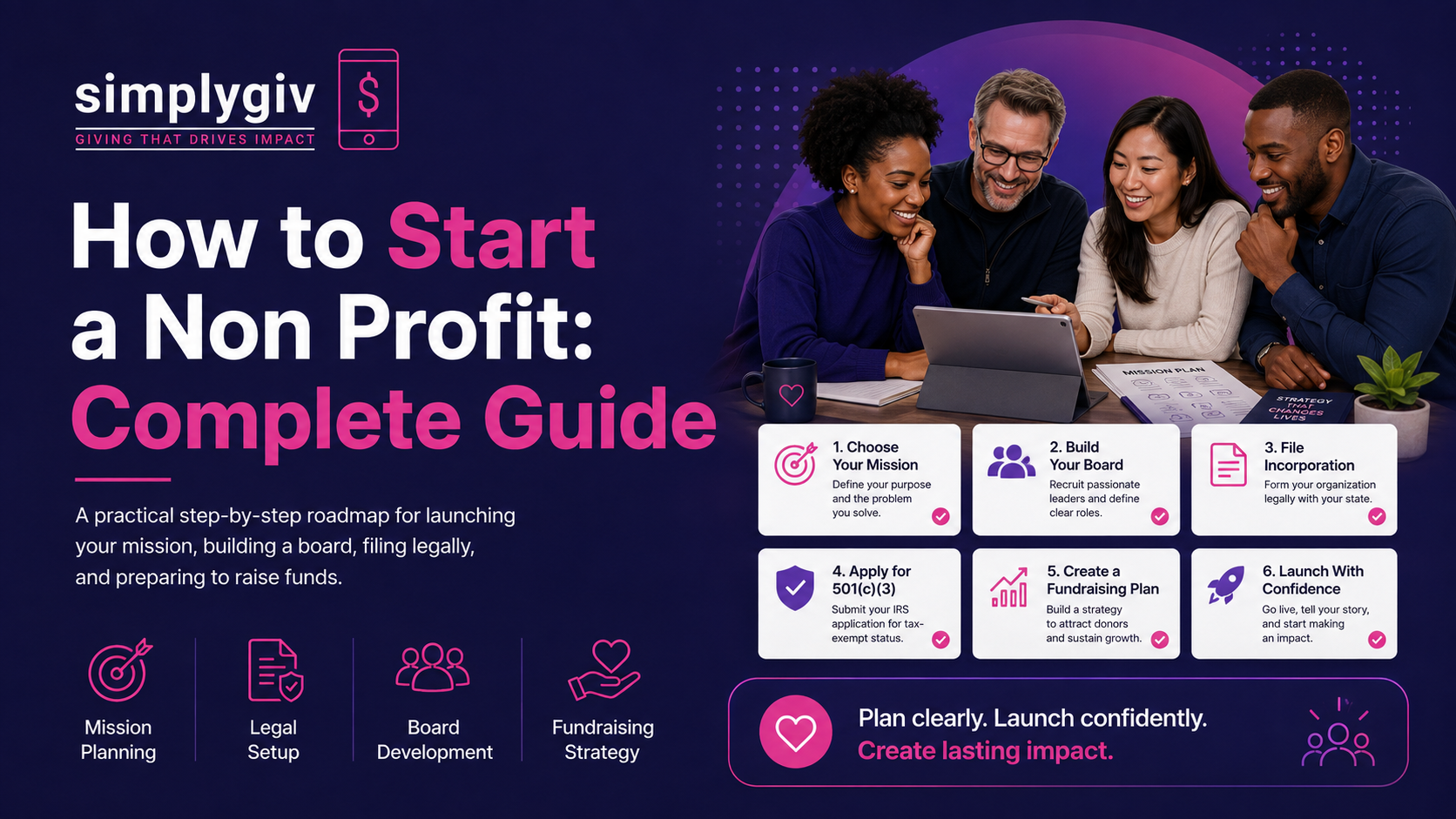
Starting a charitable organization is an effective way to make an impact in the community. Whether your mission is to improve education, healthcare, environmental conservation, animal welfare, or social services, knowing How to Start a Non Profit is the initial step for building a non-profit organization successfully.
This complete guide will help aspiring founders to navigate through every step from launching and growing a sustainable nonprofit organization.
From defining your nonprofit mission, creating a nonprofit business plan, completing nonprofit registration, forming a board of directors, and obtaining a tax-exempt status, every step plays an important role in your nonprofit’s success.
Through this blog you will learn about how to develop an effective fundraising strategy, attract online donations, recruit dedicated volunteers, apply for nonprofit grants, build meaningful donor engagement, and ensure financial management and legal compliance.
In today’s digital fundraising market, using the right technology can highly improve your fundraising results and efficiency in operations.
Platforms like SimplyGiv help nonprofits to simplify fundraising by offering secure donation pages, recurring giving options, campaign management tools, and donor management features that make it easier to connect with supporters and increase impact of charity.
As a founder if you are launching your first charity or growing an existing charity initiative then this blog will offer practical advice and proven strategies that help your nonprofits to succeed.
By following the steps provided in this blog, founders will gain the trust and knowledge they require to establish a trusted nonprofit organization, increase community support, and create meaningful, long-term change through fundraising platforms like SimplyGiv.
How to Start a Non Profit: Step-by-Step Guide
Starting a nonprofit organization is an opportunity to create meaningful change and support communities through impactful programs and services. However, building a successful nonprofit requires more than just a good idea. Founders need careful planning, a clear mission, strong leadership, proper legal structure, sustainable funding strategies, and effective community engagement.
This guide explains the essential steps involved in launching a nonprofit organization and building a strong foundation for long-term success.
1. Define Your Nonprofit Mission
The first step in starting a nonprofit is defining a clear mission. Your mission statement explains why your organization exists, who it serves, and the impact it aims to create.
A strong mission helps guide decision-making, attract supporters, communicate your purpose, and keep your team focused on achieving your goals.
Before creating your mission statement, consider these questions:
-
What social problem does your nonprofit aim to solve?
-
Who will benefit from your programs?
-
What services or resources will you provide?
-
How will you measure success and impact?
A good mission statement should be simple, inspiring, and easy for supporters to understand.
Example:
“Our mission is to provide educational resources and mentorship opportunities to underserved students, helping them achieve academic success and build brighter futures.”
A clearly defined mission becomes the foundation for fundraising, partnerships, community programs, and future growth.
2. Research Community Needs
Before launching your nonprofit, it is important to understand the needs of the community you want to serve. Research helps founders identify existing challenges, avoid duplicating services, and create programs that provide real value.
Effective community research includes:
-
Identifying existing nonprofit organizations in your area
-
Understanding challenges faced by your target audience
-
Finding gaps in available services
-
Exploring potential partnerships
-
Researching grants, sponsorships, and funding opportunities
Nonprofits can collect valuable insights through surveys, interviews, community discussions, and local data analysis. This information helps organizations develop effective programs that create measurable impact.
3. Create a Nonprofit Business Plan
Although nonprofits are not created to generate profits, they still need a strong business plan to guide operations and ensure sustainability.
A nonprofit business plan demonstrates professionalism and helps when applying for grants, attracting donors, and developing partnerships.
A nonprofit business plan should include:
Executive Summary:
An overview of your mission, goals, programs, and long-term vision.
Organizational Structure:
Details about leadership roles, board members, employees, and volunteers.
Programs and Services:
Information about the solutions your nonprofit provides and the communities you support.
Marketing Strategy:
Plans for reaching donors, volunteers, partners, and community members.
Financial Plan:
Details about fundraising methods, expected expenses, revenue sources, and financial goals.
4. Choose the Right Name for Your Nonprofit
Your nonprofit’s name plays an important role in building recognition and trust. A strong name should represent your mission, be easy to remember, and create a positive impression.
When selecting a nonprofit name:
-
Choose a simple and memorable name
-
Ensure it reflects your organization’s purpose
-
Check whether the name is legally available
-
Verify domain availability for your website
A recognizable nonprofit name helps supporters find your organization and strengthens your overall brand identity.
5. Build a Strong Board of Directors
A dedicated board of directors provides leadership, guidance, and accountability for your nonprofit organization.
Board members help with strategic planning, financial oversight, fundraising, legal compliance, and organizational growth.
A successful board often includes individuals with experience in areas such as:
-
Finance
-
Legal services
-
Marketing
-
Fundraising
-
Community development
-
Program management
A diverse and experienced board improves decision-making and increases credibility among donors and partners.
6. Register Your Nonprofit Organization
Legal registration is an important step toward establishing your nonprofit. Registration requirements vary depending on your location, but the process usually involves creating official documents and meeting government requirements.
Common registration steps include:
-
Selecting a legal structure
-
Filing articles of incorporation
-
Creating nonprofit bylaws
-
Appointing board members
-
Obtaining a tax identification number
-
Completing required government registrations
Proper registration allows nonprofits to operate legally, apply for grants, and build trust with supporters.
7. Apply for Tax-Exempt Status
Many nonprofits apply for tax-exempt status to reduce financial burdens and increase funding opportunities.
Tax-exempt recognition can help nonprofits:
-
Build donor confidence
-
Qualify for grants
-
Access nonprofit discounts
-
Increase fundraising opportunities
-
Dedicate more resources toward programs
Because tax requirements vary by location, nonprofit founders should review applicable regulations or consult qualified professionals.
8. Obtain Required Licenses and Permits
Depending on the nonprofit’s activities and location, certain licenses and permits may be required.
These may include:
-
Charitable fundraising registration
-
Business licenses
-
Event permits
-
Health and safety approvals
-
Employment registrations
Maintaining compliance helps nonprofits avoid legal issues and operate successfully.
9. Open a Dedicated Nonprofit Bank Account
A separate nonprofit bank account is essential for maintaining transparency and accurate financial records.
Benefits include:
-
Tracking donations properly
-
Managing expenses efficiently
-
Simplifying accounting
-
Supporting financial reporting
-
Building trust with donors
Banks generally require incorporation documents, tax identification details, and authorization from the nonprofit’s board.
10. Create a Professional Website
A nonprofit website serves as the digital foundation of your organization. It helps donors, volunteers, and community members learn about your mission and support your programs.
A nonprofit website should include:
-
Home page explaining your mission
-
About page with organizational information
-
Program details
-
Online donation page
-
Volunteer opportunities
-
Success stories and impact updates
-
Contact information
A secure and user-friendly website improves credibility and makes it easier for supporters to engage with your cause.
11. Develop a Strong Brand Identity
Brand identity helps nonprofits communicate their values and build lasting relationships with supporters.
A nonprofit brand should include:
-
A meaningful logo
-
Consistent visual design
-
Clear messaging
-
Authentic storytelling
-
A strong connection to the organization’s mission
A consistent brand presence helps nonprofits become more recognizable and trustworthy.
12. Create an Online Fundraising Strategy
Fundraising is essential for nonprofit sustainability. A diverse fundraising strategy allows organizations to reach more supporters and create reliable income sources.
Online fundraising methods include:
-
One-time donations
-
Recurring giving programs
-
Crowdfunding campaigns
-
Corporate sponsorships
-
Grant applications
-
Peer-to-peer fundraising
-
Online fundraising events
-
Email and social media campaigns
Digital fundraising platforms can help nonprofits simplify donation collection, manage campaigns, and strengthen donor relationships.
13. Promote Your Nonprofit
Marketing helps nonprofits increase awareness, attract supporters, and communicate their impact.
Effective nonprofit marketing strategies include:
Social Media Marketing:
Share updates, success stories, fundraising campaigns, and community achievements.
Content Marketing:
Publish blogs, reports, videos, and educational resources.
Email Marketing:
Communicate with donors through newsletters, updates, and personalized messages.
Search Engine Optimization (SEO):
Improve online visibility by creating valuable content and optimizing website pages.
A strong marketing strategy helps nonprofits expand their reach and build stronger connections.
14. Recruit and Manage Volunteers
Volunteers are an important part of many nonprofit organizations. They contribute skills, time, and support that help nonprofits achieve their mission.
To build an effective volunteer program:
-
Promote opportunities through online and community channels
-
Clearly define volunteer responsibilities
-
Provide proper training
-
Recognize volunteer contributions
Creating a positive volunteer experience encourages long-term involvement and strengthens community support.
15. Manage Finances Responsibly
Financial transparency is critical for nonprofit success. Responsible financial management builds donor trust and ensures resources are used effectively.
Best practices include:
-
Creating an annual budget
-
Tracking donations and expenses
-
Maintaining accurate records
-
Conducting regular financial reviews
-
Preparing reports for stakeholders
Strong financial practices help nonprofits remain sustainable and accountable.
16. Measure and Share Your Impact
Measuring impact allows nonprofits to demonstrate their achievements and show supporters how their contributions create change.
Organizations should track metrics such as:
-
Number of people served
-
Programs completed
-
Donations received
-
Volunteer participation
-
Community partnerships
-
Long-term outcomes
Sharing impact through reports, stories, and testimonials strengthens transparency and encourages continued support.
Conclusion
Launching a nonprofit organization requires strategic planning, dedication, and a commitment to creating positive social change. From defining a mission and registering legally to building fundraising strategies and measuring impact, every step contributes to long-term success.
A successful nonprofit combines strong leadership, financial responsibility, community engagement, and effective technology solutions. Digital fundraising platforms like SimplyGiv can help nonprofits create donation pages, manage fundraising campaigns, support recurring giving, and improve donor relationships.
By following these steps and continuously adapting to community needs, nonprofit founders can build organizations that create lasting impact and serve their communities effectively.